
Energy Storage for EV Charging: Insights for OEMs and Manufacturers
As a B2B purchaser exploring innovative solutions in the EV market, I understand the importance of efficient energy storage for EV charging. Our premium energy storage systems are specifically designed for OEMs and manufacturers aiming to enhance their infrastructure. With advancements in battery technology, our solutions provide reliable power management, ensuring seamless charging experiences while optimizing energy costs. I’ve seen firsthand how our tailored options work well with various types of EV chargers, making it easier for businesses to meet growing consumer demands. This not only boosts operational efficiency but also meets sustainability goals. Plus, partnering with us means you're collaborating with experts committed to innovation and quality. Choosing our energy storage systems means investing in a future-proof solution that aligns with your business objectives. I invite you to join the wave of manufacturers taking advantage of effective energy storage for EV charging to drive success in the evolving automotive landscape.
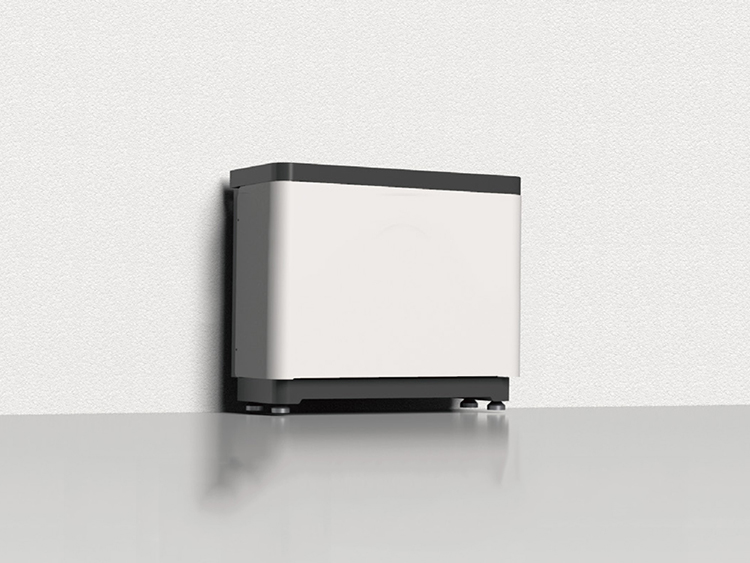
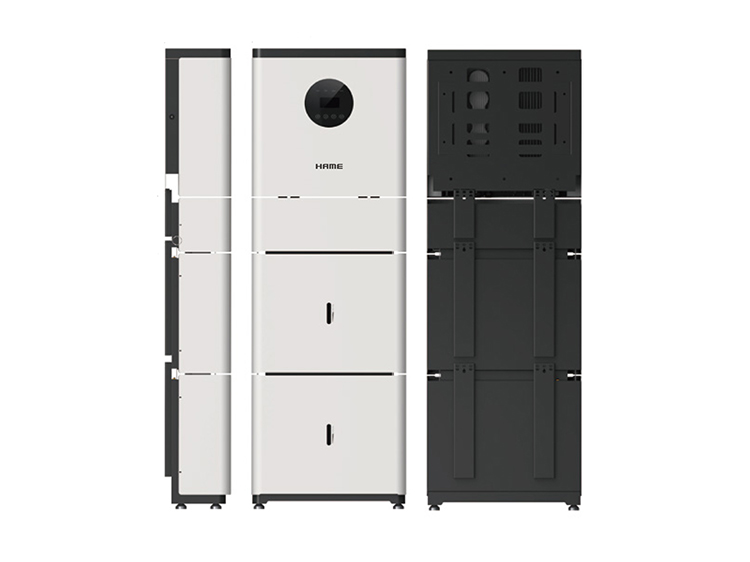
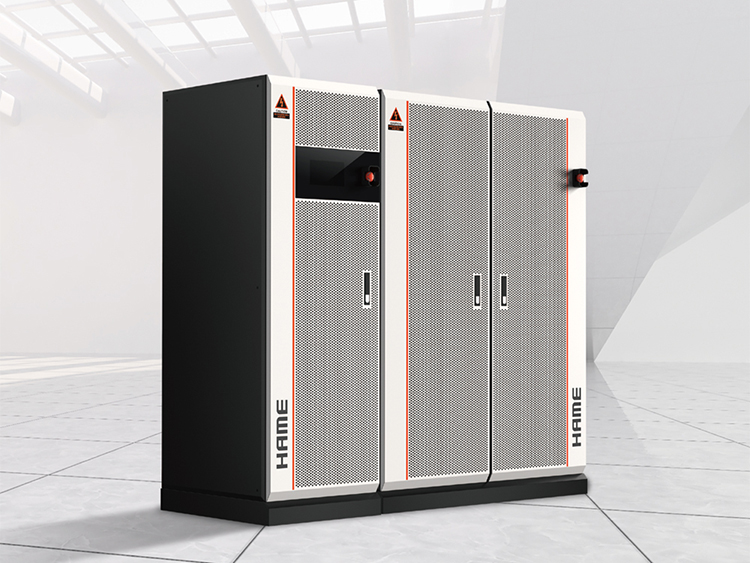
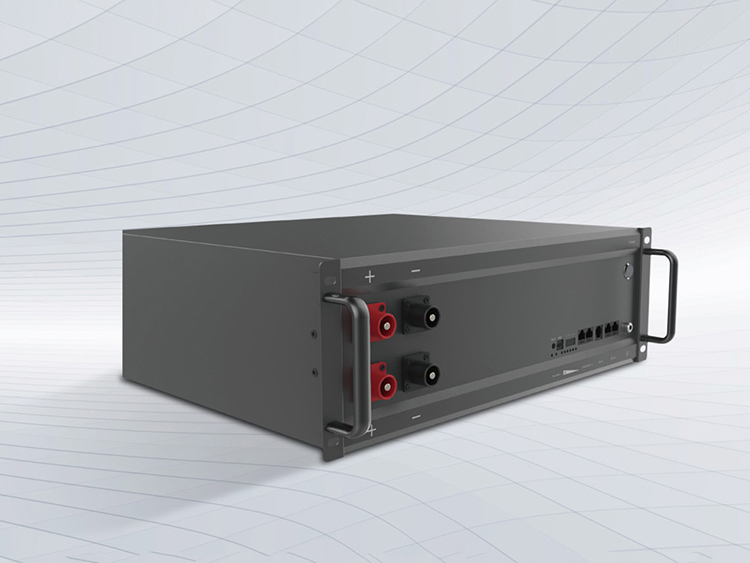


Energy Storage For Ev Charging Sets the Industry Standard Custom Solutions,
As the electric vehicle (EV) market continues to expand, integrating efficient energy storage solutions for EV charging stations has become crucial. Tailoring custom energy storage systems not only enhances charging efficiency but also sets the standard for the industry. By leveraging advanced technology and infrastructure, businesses can develop reliable storage solutions that meet the unique demands of different locations and usage patterns. Custom energy storage solutions facilitate seamless integration with renewable energy sources, providing a sustainable way to power charging stations. This approach not only reduces dependency on the grid but also lowers operational costs and increases site resilience. The versatility of these systems enables procurement specialists to choose solutions that align perfectly with their specific needs, whether it's for urban areas, commercial fleets, or public charging networks. Investing in customized energy storage for EV charging not only prepares suppliers for current demands but also strategically positions them for future advancements in the electric mobility sector. By prioritizing innovative and adaptable solutions, businesses can lead the charge in a competitive market, ensuring they stay ahead of regulatory pressures and consumer expectations alike.
Energy Storage For EV Charging Sets the Industry Standard Custom Solutions
| Storage System Type | Capacity (kWh) | Charging Speed (kW) | Recharge Time (hrs) | Applications |
|---|---|---|---|---|
| Lithium-ion Battery | 50 | DC 50 | 1 | Residential |
| Flow Battery | 100 | DC 25 | 4 | Commercial |
| Supercapacitor | 10 | DC 100 | 0.1 | Public Charging |
| Lead-acid Battery | 40 | AC 20 | 2 | Fleet |
| Sodium-ion Battery | 60 | DC 30 | 2 | Renewable Energy |
Related Products
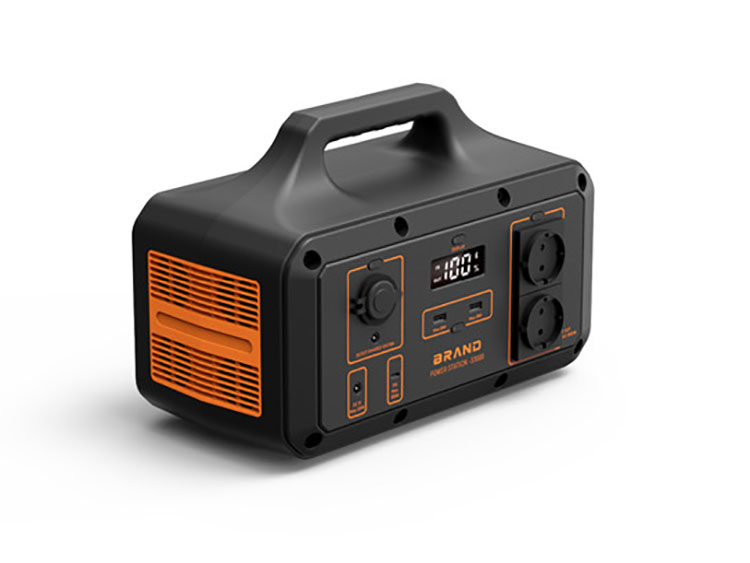

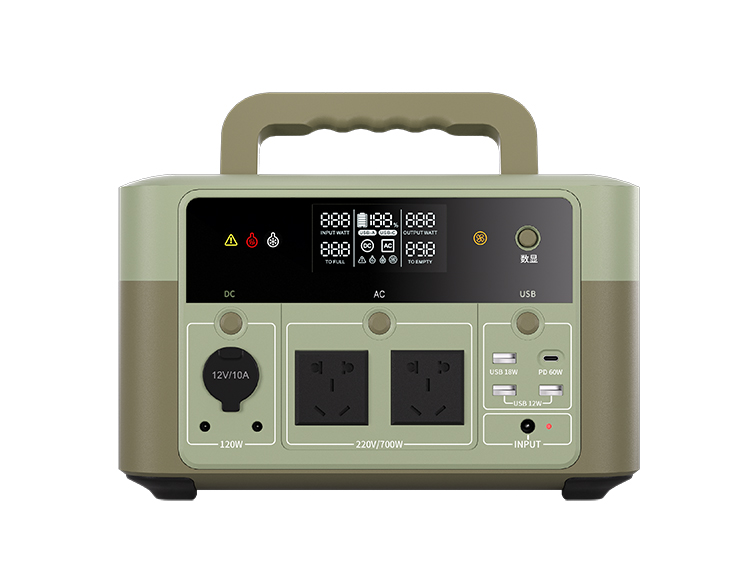
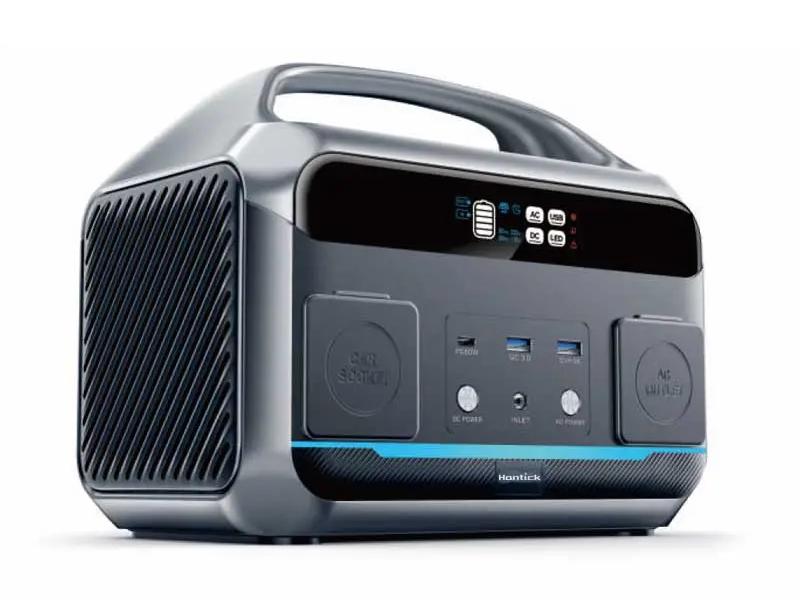
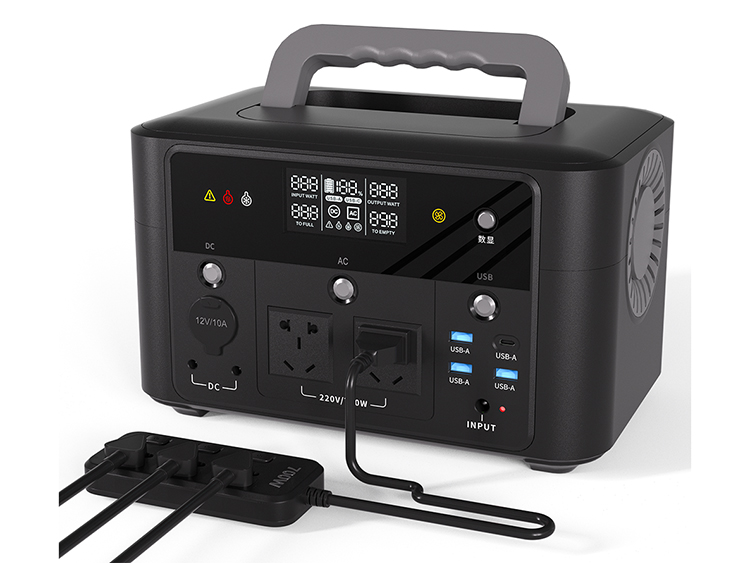


Energy Storage For Ev Charging Application Outperforms the Competition
Top Selling Products


- Related Blog
- Reviews

-

Phone
-

Emaill
-

Wechat
Wechat

-

Whatsapp
Whatsapp


